
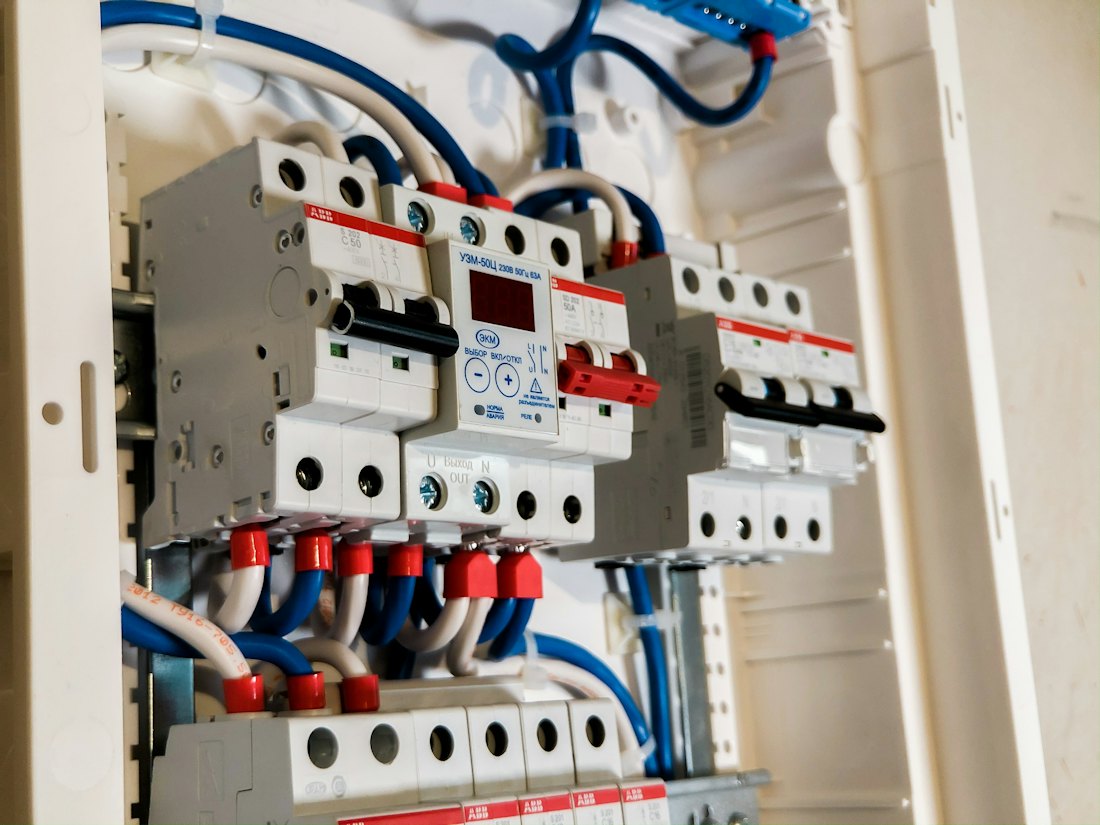
Some electrical problems announce themselves clearly: a scorched power point or a broken light fitting. Others are elusive. A safety switch trips at random every few days. A circuit dies after rain then comes back. Lights flicker only when the dryer runs. Finding the cause of these is called fault finding, and it is one of the most useful skills an electrician can have.
What fault finding involves
At its core, fault finding is a process of narrowing down. The electrician starts with the whole system and divides it into smaller parts until the faulty section is found. It combines information from you, careful observation and testing with proper instruments.
Step one: the conversation
The details you give are often the biggest clue. Kalani will ask things like:
- When did it start, and did anything change around then, such as new appliances or renovation work?
- Does it happen at a particular time of day, in wet weather or when a specific appliance runs?
- Which circuits or rooms are affected?
- Has anyone else worked on the wiring?
A fault that only happens after rain points towards outdoor fittings or a wet roof space. A trip every morning at the same time might line up with a timer on the pool pump or hot water system.
Step two: looking
Next comes a visual check of the switchboard, accessible outlets, light fittings, outdoor equipment and sometimes the ceiling space. Signs of heat, water, rodent damage, corroded terminals or amateur repairs can lead straight to the fault.
Step three: testing
Electricians use instruments that measure what your eyes cannot. Common tests include:
Insulation resistance testing
This checks whether insulation on cables and equipment is keeping current where it belongs. Low readings suggest damaged, wet or deteriorated insulation, a common cause of safety switch trips.
Continuity and polarity testing
These confirm conductors are connected correctly and unbroken from end to end.
Load and leakage measurements
Measuring current and leakage can reveal an appliance or circuit that is slowly leaking to earth, which can cause intermittent tripping.
Step four: isolating sections
On a circuit with many outlets and fittings, the electrician will often disconnect sections and retest to see which part holds the fault. It is methodical work, and it is why good fault finding cannot always be rushed.
Why some faults take longer
Intermittent faults are the hardest. If a fault only appears when it rains, the wiring may test perfectly on a dry day. Long cable runs under houses, renovations that have buried junctions behind plaster, and undocumented additions in older homes all add time. A clear history from you helps cut it down.
Common causes we find
- Water in outdoor power points, garden lights and sensor lights.
- Faulty appliances, especially older heaters, fridges and kettles.
- Damaged cables from renovations, nails or screws in walls.
- Rodent damage in ceiling spaces.
- Loose connections at outlets, junctions and switchboards.
- Corrosion in coastal homes, particularly outdoors.
How you can help
- Keep a note of when trips or failures happen and what was running.
- Try unplugging appliances on the affected circuit to rule them out.
- Take photos of the switchboard showing which devices have tripped.
- Let the electrician know about any recent work done on the house.
Experience counts
Customers have told us Kalani fixed problems other electricians had not been able to resolve. Fault finding rewards patience and a methodical approach. Once the fault is found, he will explain what caused it and the repair in plain language before going ahead.
Flowstate provides fault finding and emergency electrical work across the Wollongong region, Shellharbour and Kiama. If faults point to an ageing board, a switchboard upgrade may be the long-term fix, and badly deteriorated cabling may need rewiring.
Got a fault that keeps coming back? Call or text Kalani on 0424 400 346. Notes on when it happens and photos of your switchboard are a big help.
Reach out to us
Tell us what you need and we will get back to you quickly. If it cannot wait, call or text 0424 400 346 now.
- Phone0424 400 346
- Email[email protected]
- HoursOpen 24 hours for emergency call outs. Planned work booked at a time that suits you.