
The position of a smoke alarm matters nearly as much as having one. Put it in a dead air pocket and smoke reaches it late. Put it right beside the oven and it shrieks every time someone grills a steak, until somebody pulls the battery out. Here is how to get the placement right in a typical Illawarra home.
Start with the sleeping areas
Most fatal house fires happen at night, so the priority is waking people up. The minimum in NSW is a working alarm on every level, and on a level with bedrooms that usually means between the bedrooms and the rest of the house, such as in the hallway. Better still, fire services recommend an alarm inside each bedroom as well. Bedroom doors closed overnight can block a lot of sound and smoke.
Hallways and stairs
In a hallway that serves several bedrooms, the alarm generally goes on the ceiling roughly midway along. In a long hallway, two may be needed. For two-storey homes, an alarm at the top of the stairs is important because smoke rises up the stairwell first. Many townhouses in Wollongong and the newer estates around Albion Park have open stairwells that act like a chimney.
Living areas
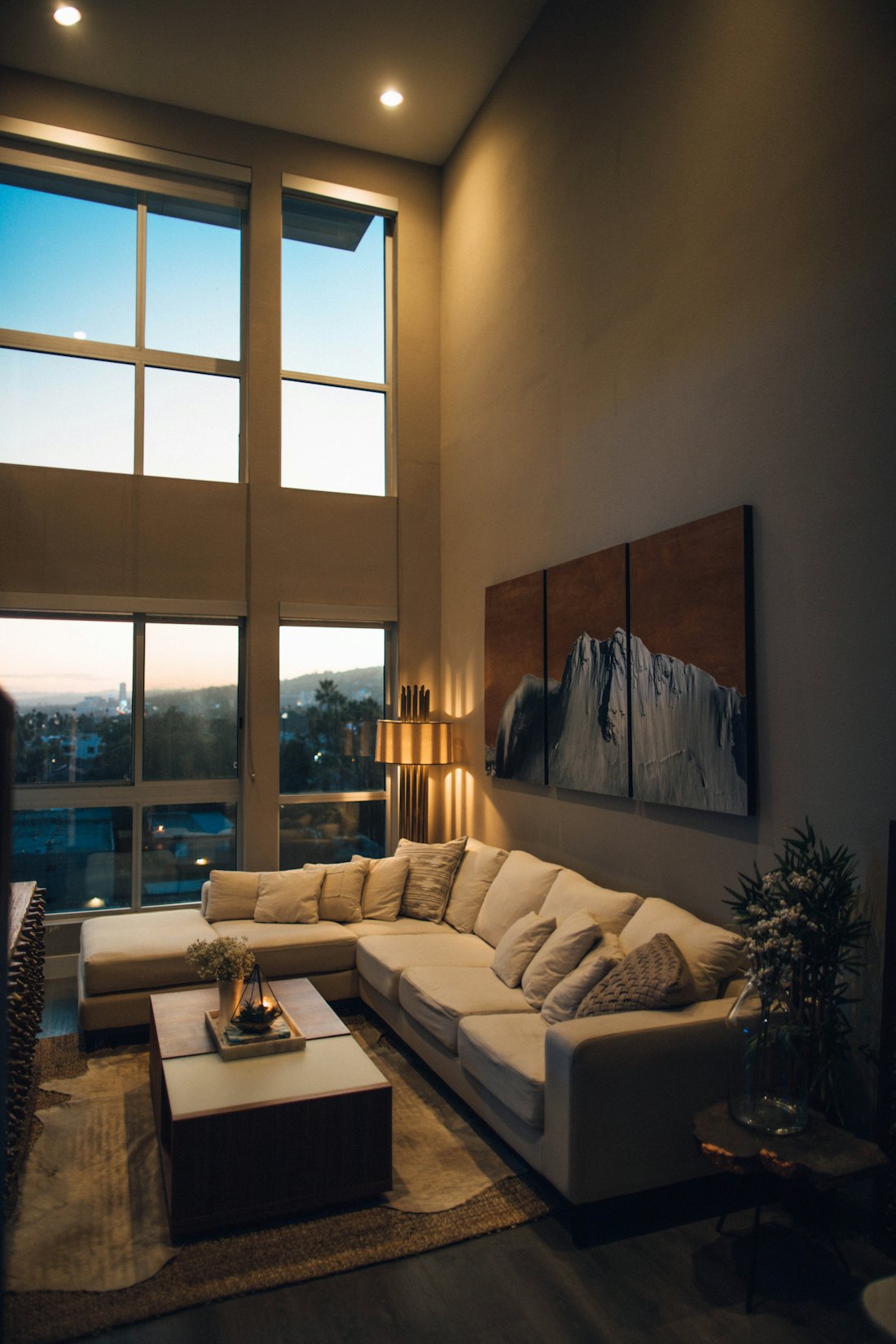
Lounge rooms, family rooms and rumpus rooms are where heaters, electronics and chargers live, and where fires sometimes start when no one is watching. An alarm in each main living space is worth having, positioned away from the kitchen if the areas are open plan.
Ceiling or wall
Ceilings are the preferred spot because smoke rises and spreads across them. As a general guide, keep alarms away from the junction where the wall meets the ceiling, because air there tends to stagnate. The installation instructions for each model give the exact clearances, and a licensed electrician will follow them along with the building requirements.
Sloped and raked ceilings
Raked ceilings are common in renovated coastal homes around Kiama and Gerringong. Smoke collects towards the high point, so the alarm generally goes near the top, but not right in the apex where a pocket of trapped air can form. Follow the manufacturer's guidance for the pitch of your ceiling.
Spots to avoid
- Directly above or beside cooktops, ovens and toasters.
- Inside bathrooms or right outside a steamy ensuite door.
- Near air conditioning outlets, ceiling fans or range hood ducts, where airflow can push smoke away from the sensor.
- Laundries with dryers, garages with car exhaust and dusty workshops, where heat alarms are often a better fit.
- Close to fluorescent lights, which can interfere with some sensors.
Kitchens without the false alarms
Open-plan kitchens are where most nuisance alarms come from. The answer is not to leave the area unprotected. Position the alarm further from the cooktop, choose a photoelectric model, and make sure the range hood is working and ducted properly. If your range hood is weak or recirculating, it may be worth a look at our range hood and cooktop installation service too.
Granny flats, studios and sheds
If someone sleeps in a granny flat, studio or converted garage, it needs its own alarms. Ideally they are interconnected with the main house so a fire in one building wakes people in the other.
Check your current setup
Walk through your home with this list:
- Is there at least one alarm on every level?
- Is there an alarm between each sleeping area and the rest of the house?
- Are any alarms sitting in a corner, over the stove or near a fan?
- Can you hear an alarm test clearly from each bed with the door shut?
If the answers make you uneasy, Kalani can relocate, add or replace smoke alarms and wire them together so they all sound at once. He will explain why each one goes where it does.
Call or text 0424 400 346 with a photo of each alarm and a rough sketch of your floor plan, and we can tell you what your home needs.
Reach out to us
Tell us what you need and we will get back to you quickly. If it cannot wait, call or text 0424 400 346 now.
- Phone0424 400 346
- Email[email protected]
- HoursOpen 24 hours for emergency call outs. Planned work booked at a time that suits you.